When I booked a flight to Kyoto last year, I spent three hours scrolling through 360‑degree photos before I even left the airport. That preview made the trip feel real, but also raised a question: what if the entire journey could be digital? Today, a handful of platforms offer immersive, interactive tours that let you walk through museums, climb Everest, or dine in a Parisian bistro—all from a laptop or headset. The rise of digital travel is not a fad; it’s a response to budget limits, climate concerns, and the growing appetite for experiences that blend education with entertainment.
Immersive Platforms: 360° Video vs. VR Worlds
Two main delivery models dominate the market. First, 360° video streams a pre‑recorded scene. A user can look around with a smartphone or a flat screen, but the path is fixed. Second, VR worlds are built in engines like Unity or Unreal, allowing real‑time navigation, object interaction, and branching narratives. For instance, the Google Arts & Culture app offers over 1,000 museum tours, each lasting about 5–10 minutes. In contrast, the Nanome platform lets scientists explore molecular structures in a fully interactive 3D space, taking 30 minutes to complete a single session.
What Makes a Digital Destination Worthwhile
- Authenticity of Detail: A good tour uses high‑resolution textures and accurate spatial mapping. The National Geographic VR experience of the Galápagos shows flora down to the leaf level, which a simple photo cannot capture.
- Interactivity: Clicking on a plaque that expands into a 3‑D model of an artifact adds depth. The Curio app lets users manipulate a virtual Roman mosaic, learning about its composition.
- Accessibility: Platforms that run on standard browsers or low‑cost headsets reach more users. The Walkabout app works on any smartphone, whereas the Oculus Quest requires a separate device.
- Educational Value: Many tours incorporate quizzes or guided narration. The National Museum of Natural History tour includes a trivia pop‑up that scores your knowledge after each section.
Limitations That Still Matter
Despite their promise, digital tours can feel shallow if the narrative is too linear. For example, the Virtual Louvre lets you wander, but the audio guide never adapts to your interests; it plays the same commentary regardless of which gallery you stop at. This one‑size‑fits‑all approach can leave seasoned art lovers bored. Another drawback is the need for a stable internet connection; a 4G drop during a live tour can freeze the experience entirely.
Connecting Digital Travel to Broader Online Entertainment
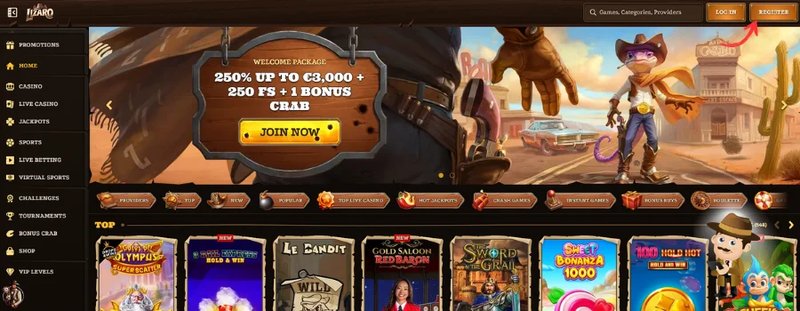
Digital travel is part of a larger shift toward immersive online content. Gamers already spend an average of 12 hours a week in virtual worlds; adding a travel dimension simply expands that engagement. If you’re looking for a way to blend leisure with a touch of chance, platforms like Lizaro Casino offer themed virtual tours that pair scenic exploration with interactive games.
Which Option Should You Pick?
If your goal is quick, budget‑friendly previews, stick with 360° video tours—just 5–10 minutes each, no special gear required. For deeper dives, invest in a VR headset and choose a platform that offers interactive, branching experiences. Keep an eye on bandwidth and device compatibility, and remember that the most engaging tours balance high‑quality visuals with meaningful interaction. The future of travel is not about replacing the real world; it’s about complementing it with digital layers that educate, entertain, and inspire.